
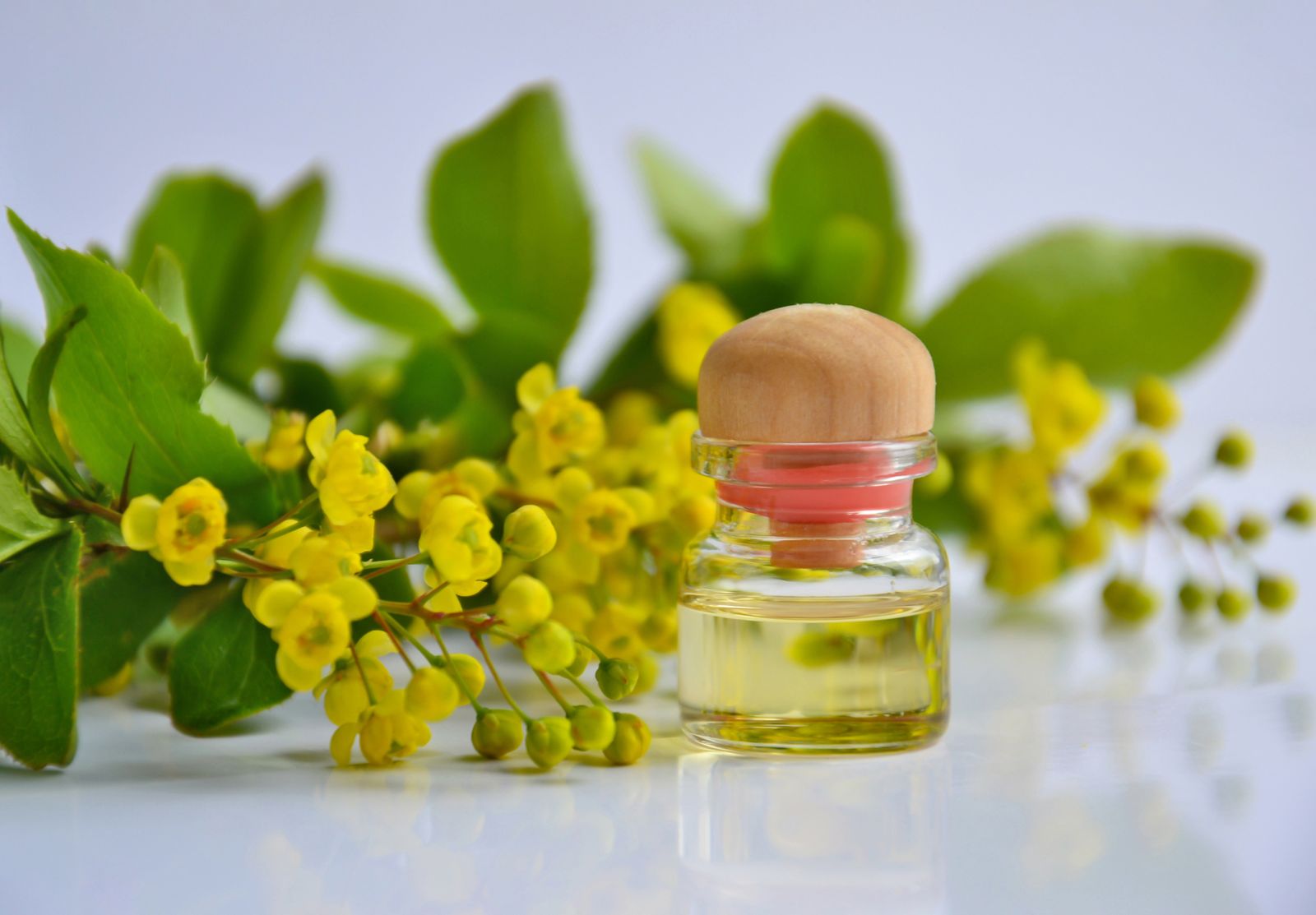
Walk down any skincare aisle and you will find bottles crowded with ingredient lists, fragrance notes, and promises. Some products are useful. Some are too harsh for everyday use. Some simply make it difficult to understand what you are putting on your skin.
There is also a quieter, older approach: herbal skincare. Instead of relying only on complicated formulas, it looks toward plant butters, botanical oils, flower extracts, leaves, and familiar natural ingredients that have been used in daily care across generations.
This guide explains what herbal skincare means, why ingredients like shea butter have earned attention, and how to start building a simple, gentle routine without turning skincare into a complicated project.
What Is Herbal Skincare?
Herbal skincare uses ingredients derived from plants, including butters, cold-pressed oils, flower extracts, herbs, and leaves. These ingredients may be used to cleanse, moisturise, soften, cool, or protect the skin barrier.
The skin barrier matters because it helps keep moisture in and irritants out. A harsh routine can leave the skin feeling tight, dry, dull, or reactive. A gentle routine focuses on supporting the barrier rather than constantly stripping it.
Herbal skincare is not about one miracle ingredient. It is about choosing suitable botanicals, using them in the right preparation, and staying consistent.
The Shea Butter Advantage
If there is one plant butter worth knowing first, it is shea butter.
Shea butter is extracted from the nuts of the African shea tree, Vitellaria paradoxa. It has been used for generations in West Africa as a rich moisturiser and skin protector. It is creamy, comforting, and often works well for dry or weather-worn skin.
Here is why people value it:
- It contains naturally occurring vitamins: Shea butter contains vitamins A and E, which are often discussed in relation to skin nourishment.
- It is deeply moisturising: Its fatty acids help soften dry, flaky, or rough-feeling skin.
- It feels protective: A small amount can help seal in moisture after bathing.
- It suits simple routines: It can be used without building a long list of steps.
The simplest way to use it is to warm a small amount between your palms and massage it onto slightly damp skin after a shower. Start with less than you think you need; rich butters spread better once warmed.
Other Herbal Ingredients Worth Knowing
Shea butter often works well alongside other botanicals. A few useful ingredients to understand:
- Neem: Traditionally valued in Indian households for keeping skin feeling clean and calm.
- Turmeric: Known in traditional care for its warming colour and use in skin rituals, especially when used gently and in the right amount.
- Kokum butter: An Indian plant butter that moisturises without always feeling as heavy as richer butters.
- Aloe vera: A cooling, hydrating plant often used for skin that feels hot, dry, or irritated.
- Cold-pressed oils: Almond, sesame, coconut, jojoba, and similar oils may be used to soften and nourish, depending on skin type.
You do not need every ingredient at once. A routine built with two or three suitable ingredients can be more useful than a shelf full of products used inconsistently.
Building a Simple Herbal Routine
Herbal skincare does not have to be complicated. A gentle routine can be as simple as:
- Cleanse gently with a mild wash that does not leave the skin feeling tight.
- Treat thoughtfully with a botanical oil, gel, or preparation suited to your skin.
- Moisturise with a butter or cream to help keep dryness away.
- Protect during the day with appropriate sun protection.
Consistency matters more than the number of steps. Skin responds to steady care, not occasional intensity.
Why Natural Should Also Mean Honest
One caution as you explore herbal skincare: not every product labelled natural is automatically suitable for everyone. Read labels carefully. A good formulation should be clear about what it contains, how it should be used, and who it may not suit.
Natural ingredients can still irritate some people. Essential oils, strong fragrances, and concentrated extracts may not suit sensitive skin. Patch testing and professional guidance are sensible when your skin is reactive, broken, or already under treatment.
Herbal skincare done well is not a marketing shortcut. It is careful, practical, and honest about both benefits and limits.
The Takeaway
Herbal skincare is less about chasing trends and more about giving your skin gentle, plant-based care used consistently. Shea butter is a useful place to start because it is rich, nourishing, and easy to understand.
If you want to move toward a simpler routine, begin with one ingredient or one step. Use it well. Notice how your skin responds. Then build slowly from there.
Ellie's Botanics shares practical herbal and Ayurvedic education so readers can make clearer, more confident choices about everyday care.